

Most of what makes a bowl of tea good happens before you taste it. The leaf, the water, the clay, and then the pour, which is the only part of the whole thing you actually control.
The philosophy
A pour is a decision made in three seconds. Fast and high, and you agitate the leaf, pull the astringency out and thin the body. Slow and close, and the water lays down gently, the leaf opens in its own time, and the tea arrives round.
This is why we pour the way we do. Not for ceremony’s sake. Because the leaf responds to how it is treated, and a hurried pour tastes hurried. The tea will tell you what your hand was doing.
So the pour is the practice. Everything else on the table exists to make that one movement easier to do well.
Four things to change today
01 — Lower the kettle
Bring the spout close to the pot, a few centimetres, not a hand’s height. A tall pour looks impressive and drowns the leaf. Keep it low and the water enters instead of arriving.
02 — Pour in one unbroken line
Start, hold, stop. No stuttering, no restarting. A broken pour cools unevenly and stirs the leaf twice. This is what a good spout is for, a clean line that holds from first drop to last.
03 — Pour around, not down
Circle the inside wall of the pot rather than driving straight into the centre of the leaf. The water finds the leaf on its way past. Gentler extraction, sweeter cup.
04 — Empty it completely
Every drop out, every time. Leaf sitting in water keeps brewing, and the next steep is bitter before it begins. Steady the lid with one finger, tip past vertical, and wait for the last drop.
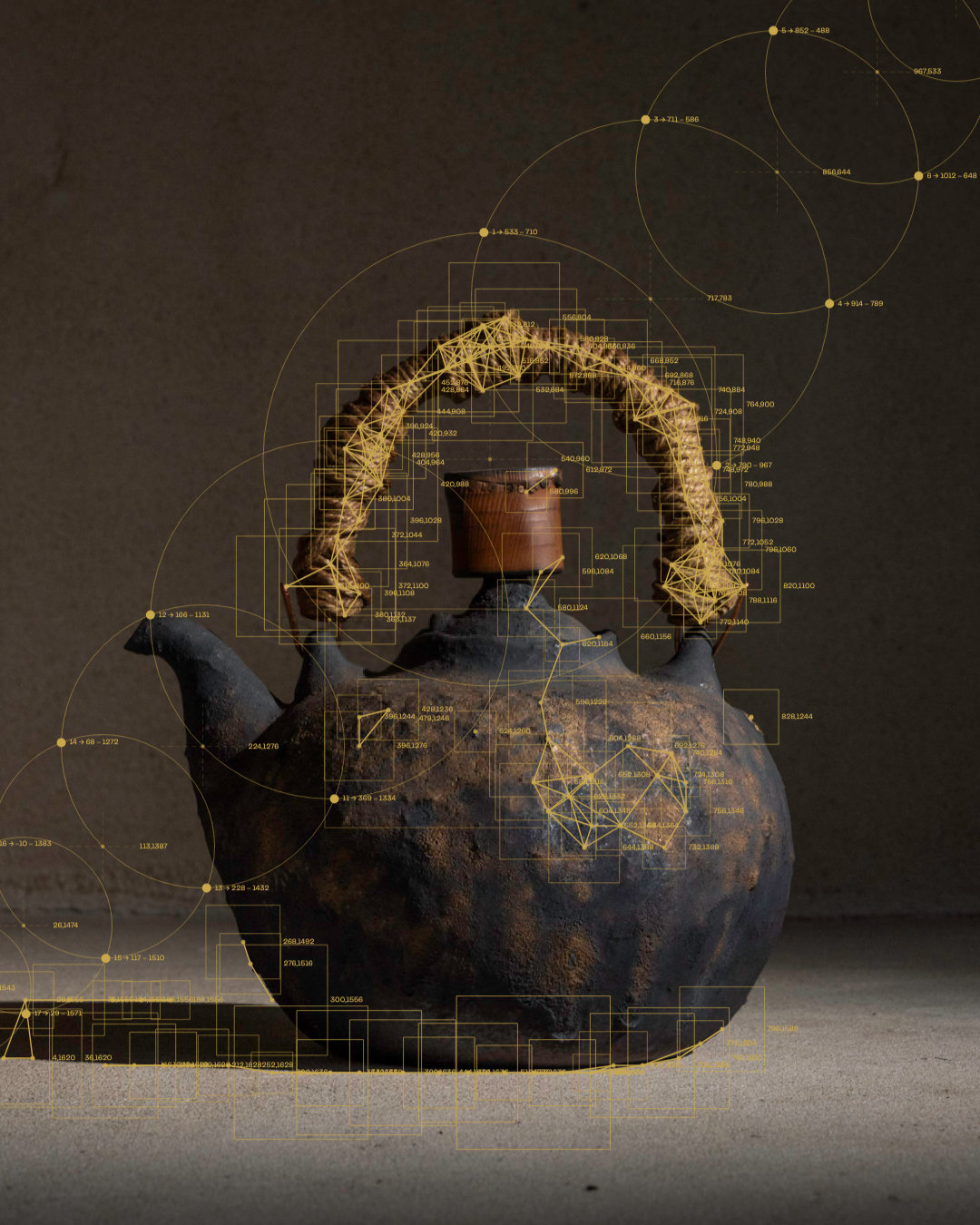
The spout
Ask any potter what is hardest, and they will say the spout.
A body can be a little uneven and nobody minds. A spout cannot. It is thrown separately, then cut, joined and shaped to that body alone, and it has to be in balance with the weight of a full kettle before the water is ever in it. Too steep and it dribbles down the side. Too shallow and the line breaks apart mid-air. The bore has to be true, the tip has to cut the water cleanly so it stops when you stop, and every part of it will shift again in the fire.
It is the part most likely to fail, and it is the part you feel in the hand every single day. Ours is shaped to balance each kettle, so the pour is clean, accurate, and does not drip. That is the whole of it. Years of work so that a stream lands where you point it.
The pieces we pour from
For pieces to pour from in our darker range.
- Obsidian Kettle · 2300ml — boil once, pour through a long session. ~36 bowls, wide spout for a fast, clean line. A steady, even dark. $450
- Obsidian Kettle · 1300ml — the small kettle. ~16 bowls, fastest to heat, and it doubles as a teapot, boil the leaf straight in it. $350
- Charcoal Teapot · 250ml — the most common pot. One to three, poured the old way. Wood handle, hand-glazed, no two alike. $600
- Charcoal Teapot · 450ml — more tea in the pot. Four to six, or casual brewing with bigger cups. Weight, presence, ease. $700
Playlist of the week — Ports in an ocean of emptiness

Midwinter on the Australian coast. Rain arrives, stays a while, moves on. The days are short and the evenings long, and the house gathers around small warmths. A candle lit early. A kettle set to boil. Dark leaves of Shoshin Liu Bao in the pot, a tea that has done its own long waiting, poured as the rain pauses and the flame steadies itself against the dark.
Some evenings ask for nothing. Only company that knows how to be quiet. This is the music that has been holding our winter evenings, a playlist we keep called Ports in an ocean of emptiness.
It opens with fifteen minutes of an old synthesiser played through cassette tape, recorded in the small hours by a father awake with his newborn. Patience made audible. From there it moves in songs for late hours, about grief and mending and what remains. A cello, a piano and a breath. And then the playlist carries our hearts out into the dark night. Not looking back, but moving toward the light of a new day.
The playlist holds its own pause, the way a ceremony does. It isn’t the sound that carries the hour. It is the space between. Places to rest, without arriving anywhere.
Brew something slow alongside it. We have been reaching for Liu Bao, but any tea that likes a long evening will do.
Like all our playlists it ends the way a ceremony does, with silence, and in that quiet, a bow and Thank you for Tea.
Back in stock — Clarity · Aloeswood Incense
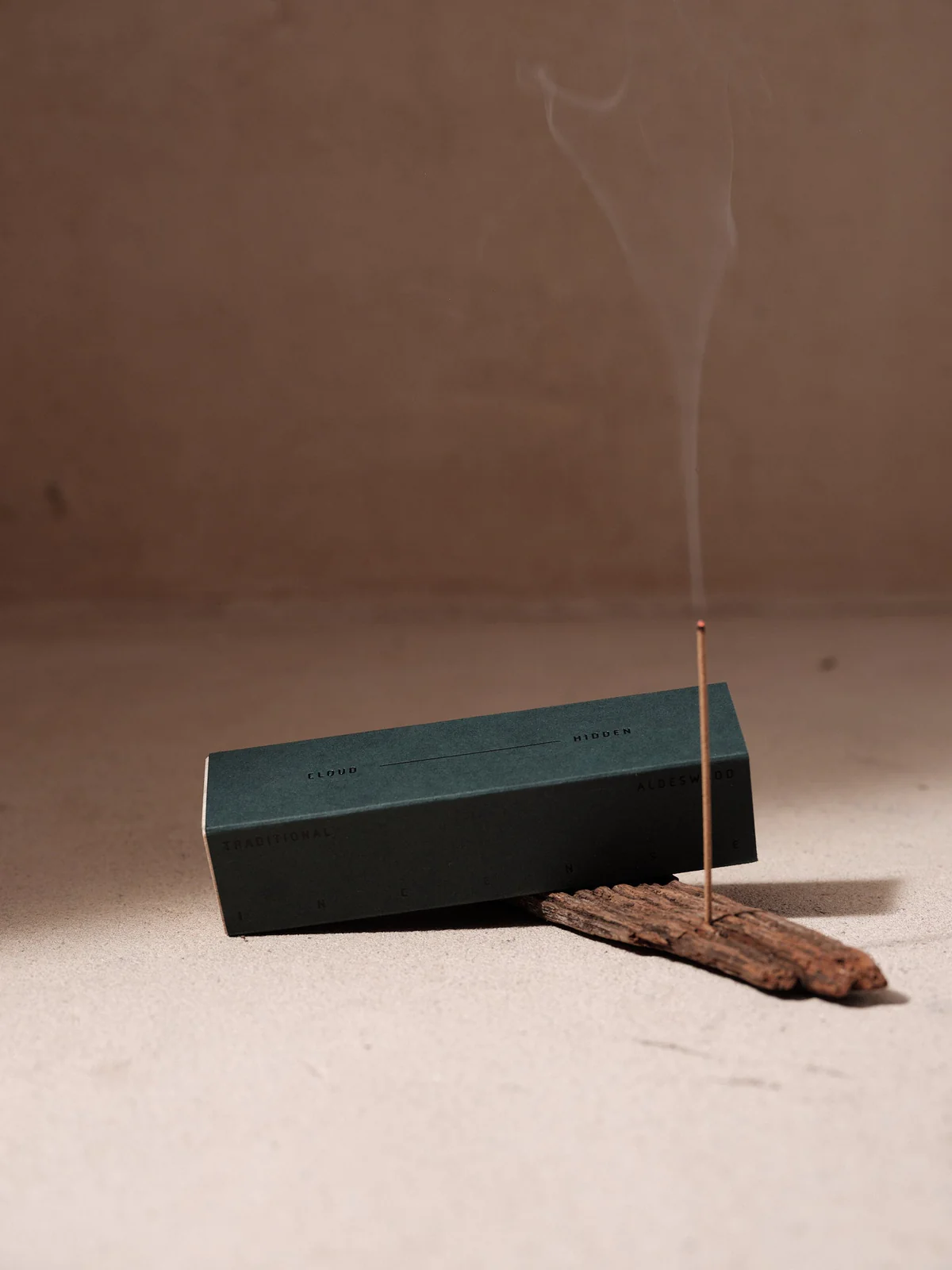
The profound scent of Aloeswood, a deep wood fragrance that gracefully settles any space. Mild and sweet, it gently evokes calmness and a serene mind, a perfect companion to tea ceremony. Prized for its subtle notes, it kindles clarity and reflection, for daily use, on altars, and in meditation.
May you feel the earth in your vessel and see the cloud hidden in your tea. Move deliberately, move slowly.


0 comments